March 25, 2026
Understanding when to replace your air conditioning system can be a challenge. With a multitude of factors influencing the decision, it's essential to know what to look for to ensure comfort, efficiency, and safety in your home. This article provides a comprehensive guide to help you identify the signs and considerations for replacing an HVAC system. By recognizing the age, performance issues, and technological developments, homeowners can make informed decisions about upgrading their HVAC systems. This article covers key aspects to consider when evaluating whether it's time to invest in a new air conditioning system.
Age of the System
The age of your air conditioning system is one of the primary factors to consider when determining whether it's time for a replacement. In our experience, most HVAC systems have an average lifespan of 15 to 20 years, although regular maintenance can extend it beyond this range. According to The Saline Courier, red flags that indicate it’s time for a new HVAC system include a system that’s more than 10-15 years old. An older system may not perform as efficiently, consuming more energy and increasing utility bills. It's essential to weigh the costs of maintaining an aging system against the investment in a new unit.
Technological advancements in the HVAC industry over time have significantly improved system efficiency and performance. Modern systems are designed to use less energy, offer enhanced comfort features, and integrate better with smart home technologies. If your current system is outdated, replacing it may provide substantial energy savings and improve home comfort. The benefits of newer technologies might justify the investment in a replacement. As technology continues to evolve, staying updated with advancements can lead to better long-term performance and efficiency.
Regular maintenance plays a crucial role in the longevity of your HVAC system. Systems that receive annual checkups and maintenance tend to perform better and last longer. However, if you notice signs of wear and tear despite regular maintenance, it may be time to consider a replacement. Examine whether the cost of frequent repairs justifies the continued use of an older system. Investing in a new system can lead to fewer repair needs and improved performance, enhancing your home's comfort year-round.
Efficiency and Performance
Efficiency and performance are critical indicators when evaluating the need to replace an air conditioning system. Rising energy bills can be a strong signal of declining system efficiency. As HVAC systems age, components wear out, leading to reduced energy efficiency and higher operational costs. If you notice a consistent increase in your energy bills without changes in usage habits, it might be time to explore replacement options. Upgrading to a more efficient system can result in significant energy savings and lower utility costs over time.
Another sign of declining performance is inconsistent room temperatures throughout the home. A well-functioning HVAC system should maintain a uniform temperature in all rooms. If some rooms are consistently warmer or cooler than others, it may indicate issues with the system's performance. Blocked or damaged ducts and aging system components can prevent the system from distributing air evenly. Addressing these issues through repair or upgrading to a more efficient system can enhance overall comfort in your home.
Frequent cycling on and off is another indication that your HVAC system may not be working efficiently. Systems that cycle too frequently can lead to increased wear and tear on the system's components. This not only affects performance but also reduces the system's lifespan. Additionally, loud or unusual noises, such as banging, clanging, or hissing, can be a sign of underlying issues. Unusual sounds could indicate problems such as loose or failing components that may require replacement.
Frequency and Cost of Repairs
As HVAC systems age, they often require more frequent repairs. An increasing number of repair calls can not only be costly but also frustrating for homeowners. If your system is frequently breaking down or requiring service, it might be more cost-effective to invest in a new system. Evaluate whether the frequent disruptions and repair costs justify the continued use of an old system. Consider a new HVAC system to enjoy fewer breakdowns and enhanced reliability.
High repair costs can also be a significant consideration when deciding to replace an HVAC system. When repair costs begin to approach or exceed the cost of a new system, replacement becomes a more financially sound decision. In our experience, the 50 percent rule is often used, suggesting that if repair costs are 50% or more of the replacement cost, it's time to consider buying new. In addition, the availability of components for older systems can become a challenge, making repairs more costly and less feasible. By opting for a replacement, you can avoid these escalating costs and enjoy improved reliability.
It's essential to weigh repair vs. replacement options through a cost-benefit analysis. While repairs can seem more affordable in the short term, the hidden costs of maintaining an outdated system, such as increased energy bills and frequent service calls, can add up over time. Transitioning to a new system can lead to long-term savings and reliability. Evaluating both the immediate repair needs and potential savings from a newer, more efficient system will guide you in making a practical decision. A proactive approach to replacing outdated equipment can save you time and money in the future.
Environmental Considerations
Environmental impact is another factor to consider when deciding to replace an air conditioning system. More homeowners are transitioning to eco-friendly models, seeking to reduce their homes' carbon footprint. Newer HVAC systems offer improved energy efficiency and reduced emissions, compared to older models, making them more environmentally sustainable. By upgrading to a green HVAC system, you contribute to a healthier planet and potentially lower your utility bills. Beyond the personal benefits, investing in eco-friendly technology supports broader environmental goals.
Technological Advancements
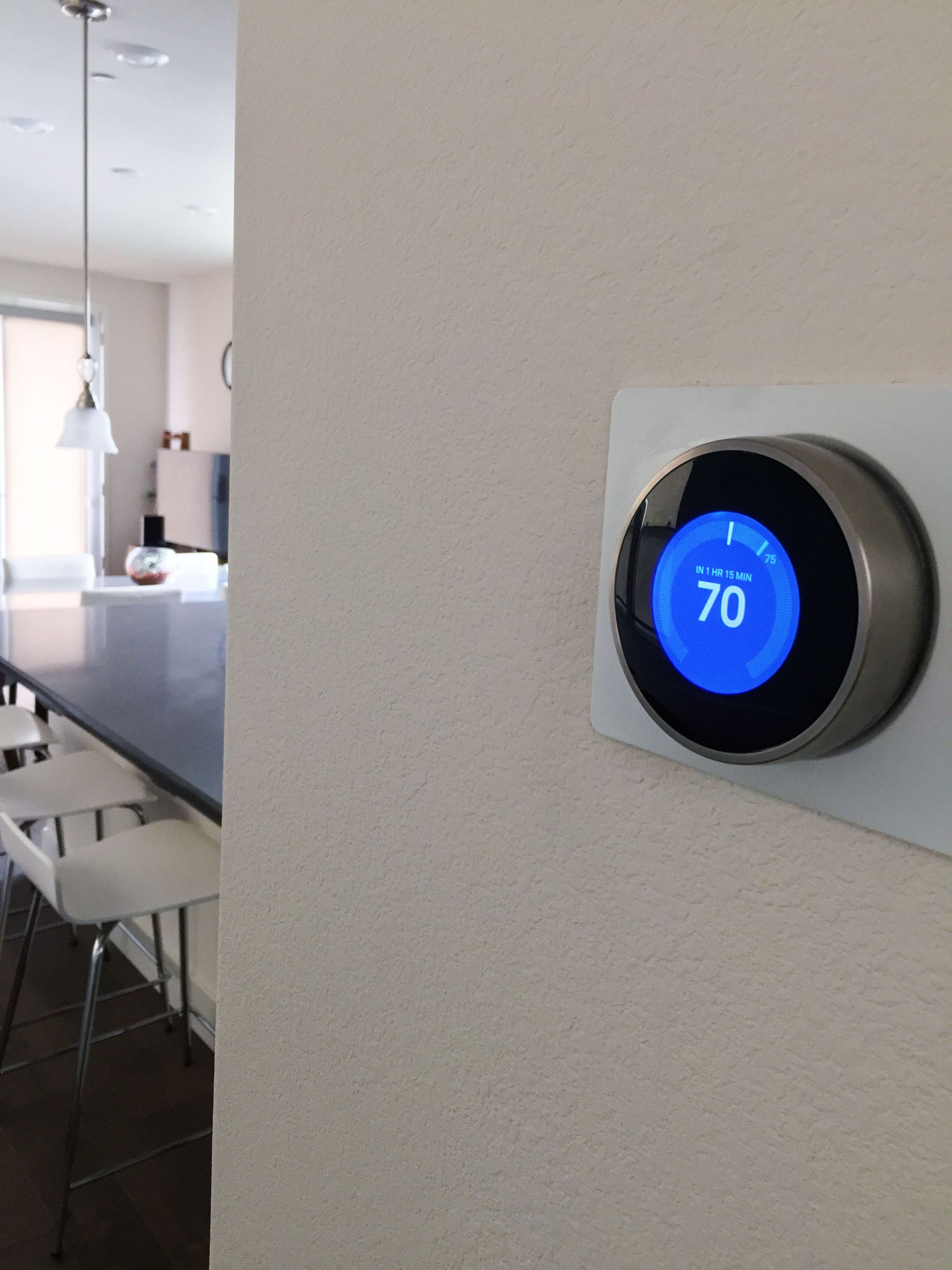
Finally, technological advancements in HVAC systems have introduced numerous benefits for homeowners seeking modern comfort solutions. Smart HVAC systems offer enhanced control and convenience, allowing you to manage your home's climate remotely through your smartphone or tablet. Further integration with smart home technologies, such as voice-activated assistants like Alexa or Google Home, provides seamless system management. These advancements not only enhance comfort but also contribute to improved energy efficiency and potential cost savings. Upgrading to a smart HVAC system ensures your home is equipped with the latest technology for comfort and efficiency.
Energy-saving technologies and innovations have become central to modern HVAC systems. Features such as programmable thermostats, variable speed compressors, and energy-efficient components allow for precise control over energy usage. These advancements help reduce energy consumption and utility costs, ensuring that your investment in a new air conditioning system pays off over time. The ability to monitor and optimize energy use through smart technology allows homeowners to target specific areas for efficiency improvements. The focus on technology-driven solutions supports both environmental sustainability and financial savings. Future-proofing your home through a new HVAC system is another consideration.
Taking into consideration the age, efficiency, and technological advancements, among other factors, is crucial in deciding when to replace your HVAC system. While the initial investment might be substantial, the benefits of a new, efficient, and technologically advanced system can outweigh the costs in the long run. For more information about air conditioning, contact Metro Comfort Systems Heating and Air Conditioning today.