July 23, 2026
In recent years, the pressure to adopt energy-efficient practices has significantly increased across both residential and commercial sectors. Rising municipal utility costs, combined with a growing global awareness of environmental issues, have prompted a massive structural shift towards smarter climate solutions. A modern smart air conditioning system that leverages artificial intelligence (AI) and advanced automation represents a potent tool in this paradigm shift, offering significant potential to reduce monthly energy bills and lower localized carbon footprints. These advanced platforms are fully capable of optimizing thermodynamic energy use in ways traditional, manually operated units simply cannot match. By analyzing real-time data inputs and user behaviors, smart cooling setups deliver precision environmental management. This comprehensive article explores the mechanical evolution, functional advantages, operational challenges, and long-term economic savings potential of automated cooling technology. Shifting to a high-efficiency model is no longer just a luxury for the eco-conscious; it has become an essential strategy for modern property management.
Technical Mechanics of Smart HVAC Systems
A next-generation smart air conditioning system is fundamentally defined by its deep integration of internet connectivity, sensory networks, and algorithmic decision-making. Traditional climate control units rely on basic bimetallic thermostats that cycle the compressor completely on or off based on static, rigid temperature boundaries. This binary operational style creates massive energy consumption spikes and frequent mechanical wear on electrical contactors.
In sharp contrast, smart systems utilize variable-speed inverter compressors paired with network-enabled hardware and localized occupancy sensors. These components communicate continuously to modulate cooling output dynamically, matching the actual heat load of the indoor space with extreme accuracy. By maintaining a constant, low-frequency electrical draw instead of cycling continuously, an automated air conditioning system eliminates high-amperage starting spikes, optimizing energy consumption while extending the overall lifecycle of the mechanical equipment.
Furthermore, the integration of Internet of Things (IoT) protocols allows these systems to collect environmental data from numerous external points. Smart climate platforms do not just monitor indoor air temperatures; they track outdoor relative humidity levels, solar radiation vectors passing through windows, and structural heat retention within walls. This multi-layered sensory input allows the internal control modules to adjust system airflow and refrigerant expansion rates proactively before a room becomes uncomfortably hot, bridging the gap between thermal comfort and energy conservation.
The Role of AI and Machine Learning
The true operational brain behind modern energy optimization is found within sophisticated machine learning algorithms embedded in the system's control software. Through predictive analytics and adaptive learning patterns, an AI-enabled air conditioning system studies the daily behavioral rhythms of a home or commercial building's occupants. The software maps exactly when rooms are filled, what temperatures are preferred during specific hours of the day, and how quickly the building sheds thermal energy when the sun goes down.
Instead of operating on speculative human guesses or rigid pre-programmed schedules, the system constructs a highly personalized thermodynamic model of the structure. This predictive capability allows the hardware to calculate cooling requirements automatically, scaling back compressor usage during vacancy hours and pre-cooling spaces efficiently right before occupants arrive.
Additionally, these automated models analyze complex regional weather forecasts in real time via cloud computing connections. If the machine learning algorithm detects an impending summer heatwave, it can strategically pre-cool the home's thermal mass early in the morning when ambient outdoor temperatures are low and electrical grid pricing is at its base rate. This advanced load-shifting strategy reduces reliance on expensive peak-hour electricity, delivering significant financial utility savings to the property owner while simultaneously mitigating stress on municipal energy infrastructure during periods of extreme grid demand.
Automation and Smart Integration
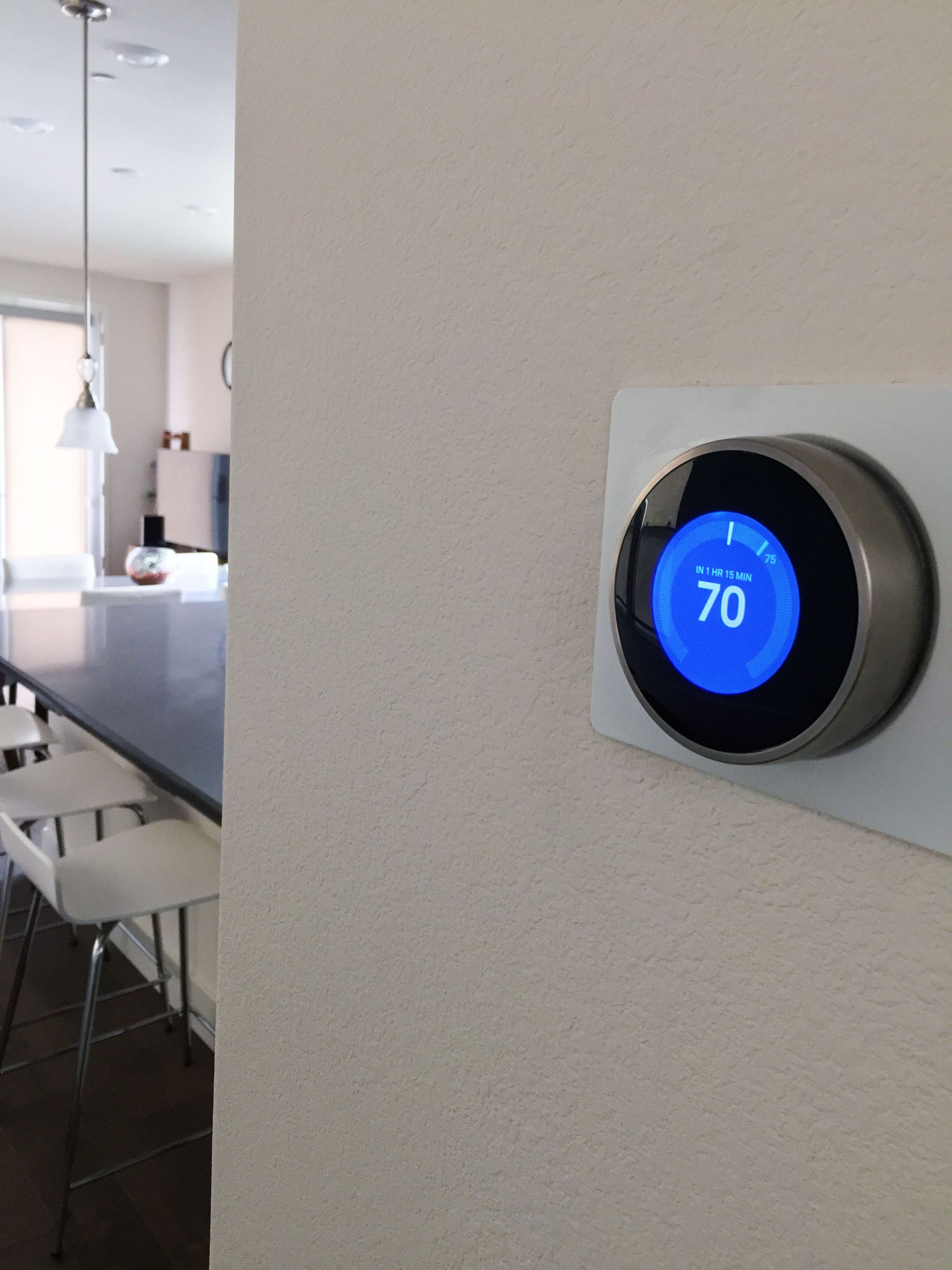
The inclusion of automated zoning features and intelligent hardware elevates a smart air conditioning system far beyond legacy residential options. Specialized smart thermostats act as central data hubs, providing intuitive user control interfaces alongside detailed, real-time energy usage analytics. When paired with wireless occupancy sensors, the automated platform can dynamically open or close motorized duct dampers, dividing a home or commercial facility into highly customized thermal zones.
This directional zoning ensures that energy is never wasted cooling empty guest rooms, storage basements, or vacant boardrooms. Instead, the system concentrates cooling power precisely where occupants are physically gathered, maximizing thermodynamic efficiency and eliminating localized hot spots.
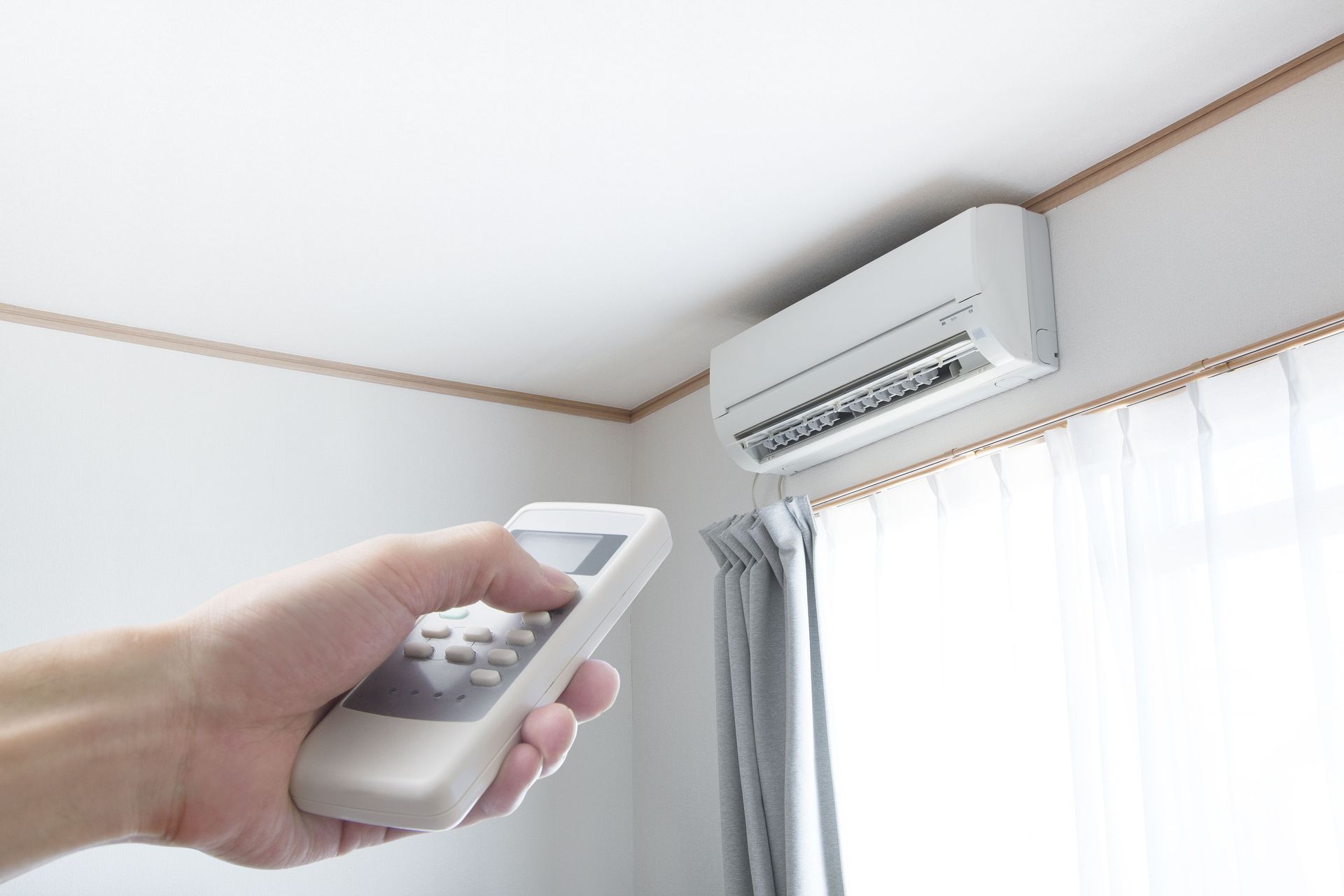
Furthermore, these automated cooling setups integrate seamlessly with broader smart home ecosystems, creating a highly cooperative environment. For instance, when an occupancy sensor notes that a room is empty, it can simultaneously signal the smart window blinds to lower, blocking out direct solar heat gain while telling the HVAC system to scale back its fan speed. This multi-system communication transforms individual household appliances into a unified, energy-conscious environment. Property owners can monitor, manage, and override these automated processes remotely via dedicated mobile apps from anywhere in the world, ensuring total control over their thermal environments.
Real-World Market Dynamics
The global market for automated climate control hardware is experiencing rapid expansion, driven by shifting environmental regulations and an intense consumer focus on lowering monthly operating expenses. Modern commercial property managers and residential homeowners are gravitating toward smart units because the long-term operational savings quickly offset the initial technology investments. The scale of this transition is particularly massive across the continent. According to CMI, the North American air conditioning systems market is estimated at almost USD 40 million in 2026.
This immense valuation underscores how quickly communities are shifting toward automated, high-efficiency equipment. As modern building codes demand reduced carbon footprints and better energy ratings, adopting a high-performing air conditioning system is fast becoming the standard for new construction and commercial retrofits alike. Investing in these systems protects properties from volatile energy markets.
Lifetime Efficiency Through Professional Care
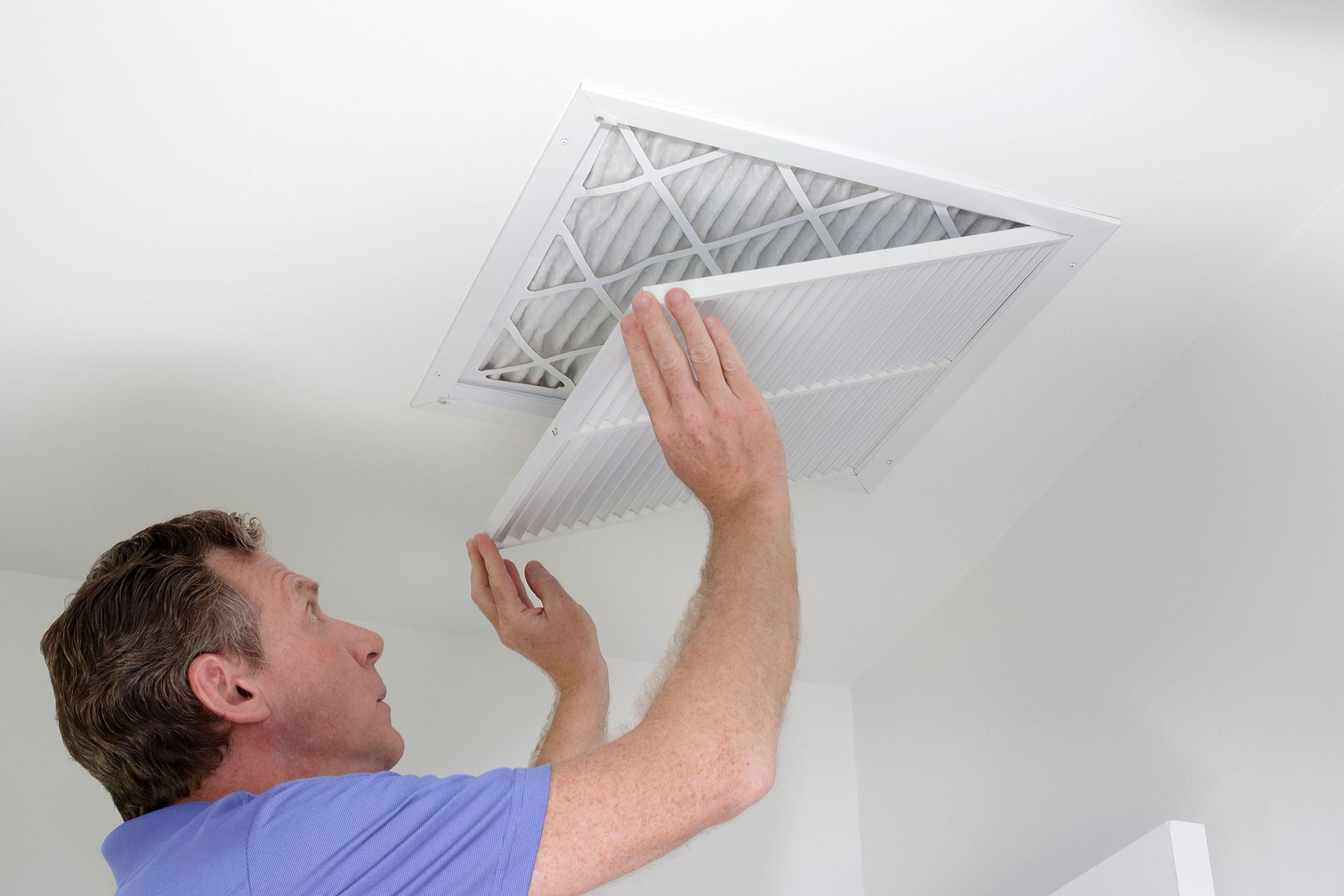
To fully realize the financial and thermodynamic benefits of these advanced technologies, ongoing professional oversight is absolutely essential. While the internal computer algorithms manage daily cycling and airflow modulation, the physical components still require routine maintenance to prevent mechanical drag. Clogged air filters, dirty condenser coils, and minor refrigerant leaks can force even the smartest system to work twice as hard, entirely canceling out the energy-saving benefits of AI automation. Scheduling regular inspections ensures that calibrated sensors continue to feed accurate data to the system's control board. By pairing automated software with routine professional maintenance, property owners protect their high-tech investments and guarantee optimal performance year after year.
Transitioning to a smart air conditioning system is undeniably one of the most impactful upgrades you can make to lower your building's overall energy consumption, slash monthly operating costs, and dramatically improve indoor air quality. By perfectly blending the computational power of artificial intelligence with real-time automation and seamless smart home integration, these next-generation systems continuously optimize thermodynamic output to deliver unparalleled comfort, precision temperature control, and sustainable savings.
If you are ready to revolutionize your residential home or commercial business with a custom, high-efficiency setup, the seasoned specialists at Metro Comfort Systems Heating and Air Conditioning are here to guide you through every single step of the process. Their expert technicians can assess your property's unique layout, recommend the perfect equipment configuration for your budget, and ensure a flawless integration with your existing smart devices. Contact them today to schedule a comprehensive system evaluation and take the first step toward a cooler, smarter, and significantly more affordable indoor environment.