June 22, 2026
Energy efficiency has become one of the most important priorities for modern homeowners who want to lower utility costs while maintaining consistent indoor comfort. As energy demands continue to rise, households are increasingly looking for ways to reduce consumption without sacrificing quality of life. Systems such as lighting, appliances, insulation, and especially air conditioning all play a major role in how much energy a home uses throughout the year.
Among these systems, air conditioning often has one of the highest impacts on monthly energy bills, particularly in warmer climates where cooling is used for extended periods. Because of this, improving efficiency in cooling systems can lead to noticeable savings and better overall performance. By making thoughtful upgrades and adopting smarter habits, homeowners can significantly improve efficiency while maintaining comfort.
Conducting a Home Energy Audit
A home energy audit is the foundation of understanding how energy flows through a property. It helps identify where energy is being lost and which systems are consuming the most power. Many homeowners are surprised to discover how much energy is wasted due to small inefficiencies that add up over time. During an audit, professionals or homeowners evaluate insulation quality, appliance usage, lighting systems, and HVAC performance. Special attention is often given to air conditioning systems since they tend to be one of the largest contributors to household energy use. Leaks, outdated equipment, and poor maintenance can all cause air conditioning systems to work harder than necessary.
DIY audits can also provide helpful insights using simple tools such as thermal leak detectors or smart plugs. While not as detailed as professional evaluations, they still help homeowners understand where improvements can be made. Reviewing utility bills is another important step in identifying energy patterns. Sudden increases in usage often point to inefficiencies in heating or air conditioning systems. According to the National Energy Improvement Fund, the U.S. Department of Energy estimates that households can reduce energy consumption by 20% to 50% when switching to higher-efficiency systems. This demonstrates how upgrading air conditioning equipment alone can create substantial energy savings over time.
Enhancing Insulation and Air Sealing
Proper insulation is essential for maintaining stable indoor temperatures and reducing the workload placed on air conditioning systems. Without adequate insulation, cool air escapes during the summer and warm air escapes during the winter, forcing systems to work harder.
Key areas such as attics, walls, basements, and crawl spaces should be properly insulated to prevent energy loss. When insulation is improved, air conditioning systems operate more efficiently because indoor temperatures remain stable for longer periods. Air sealing is another critical step. Small gaps around doors, windows, and vents can significantly reduce efficiency. Weather stripping and caulking help eliminate these leaks, preventing outdoor air from entering and conditioned air from escaping. This improves overall comfort while reducing strain on air conditioning systems.
Improving Heating and Cooling Efficiency
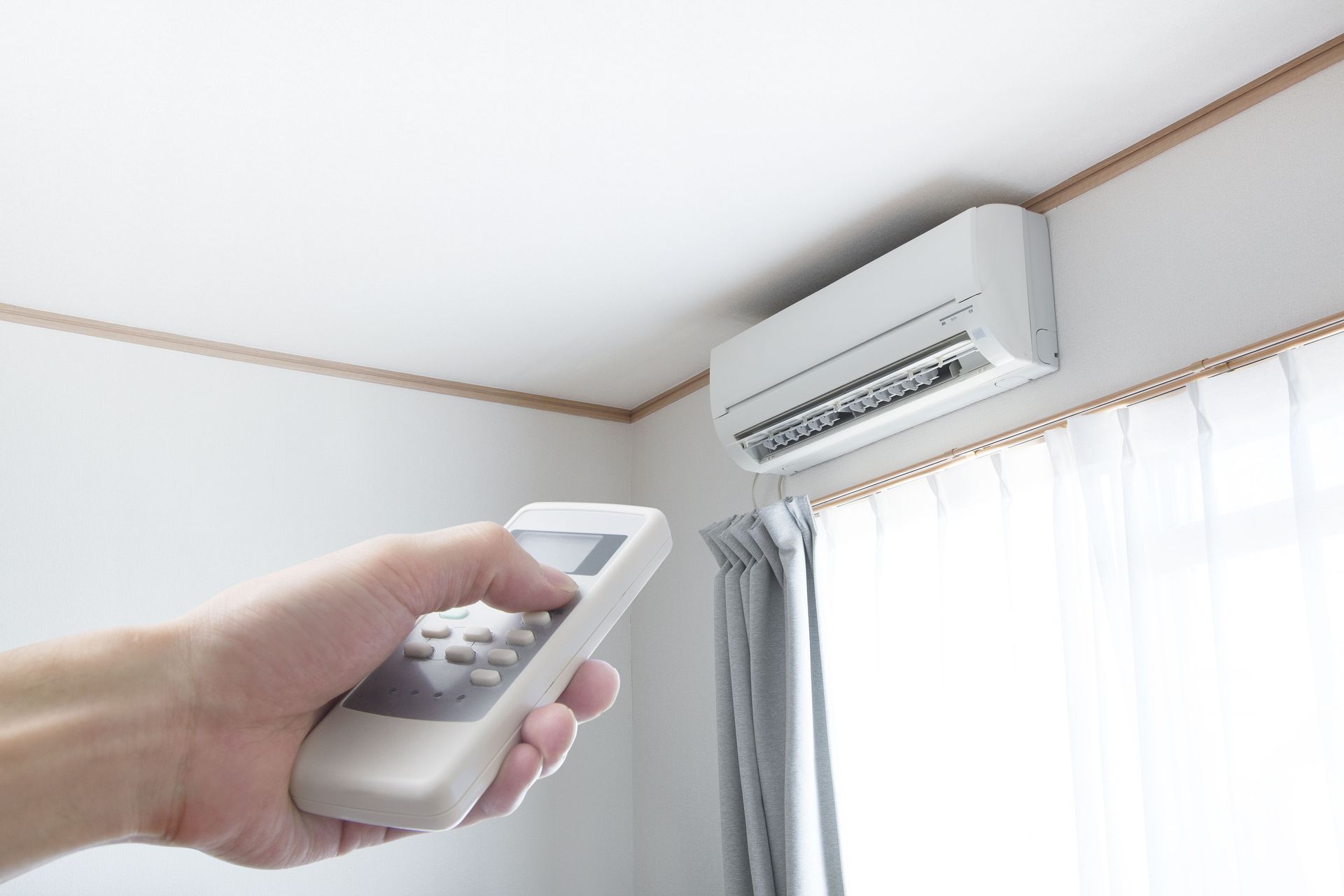
Heating and cooling systems account for a large portion of household energy consumption. Among them, air conditioning is often the most energy-intensive during warmer months. Upgrading to modern, energy-efficient systems can make a noticeable difference in both performance and cost.
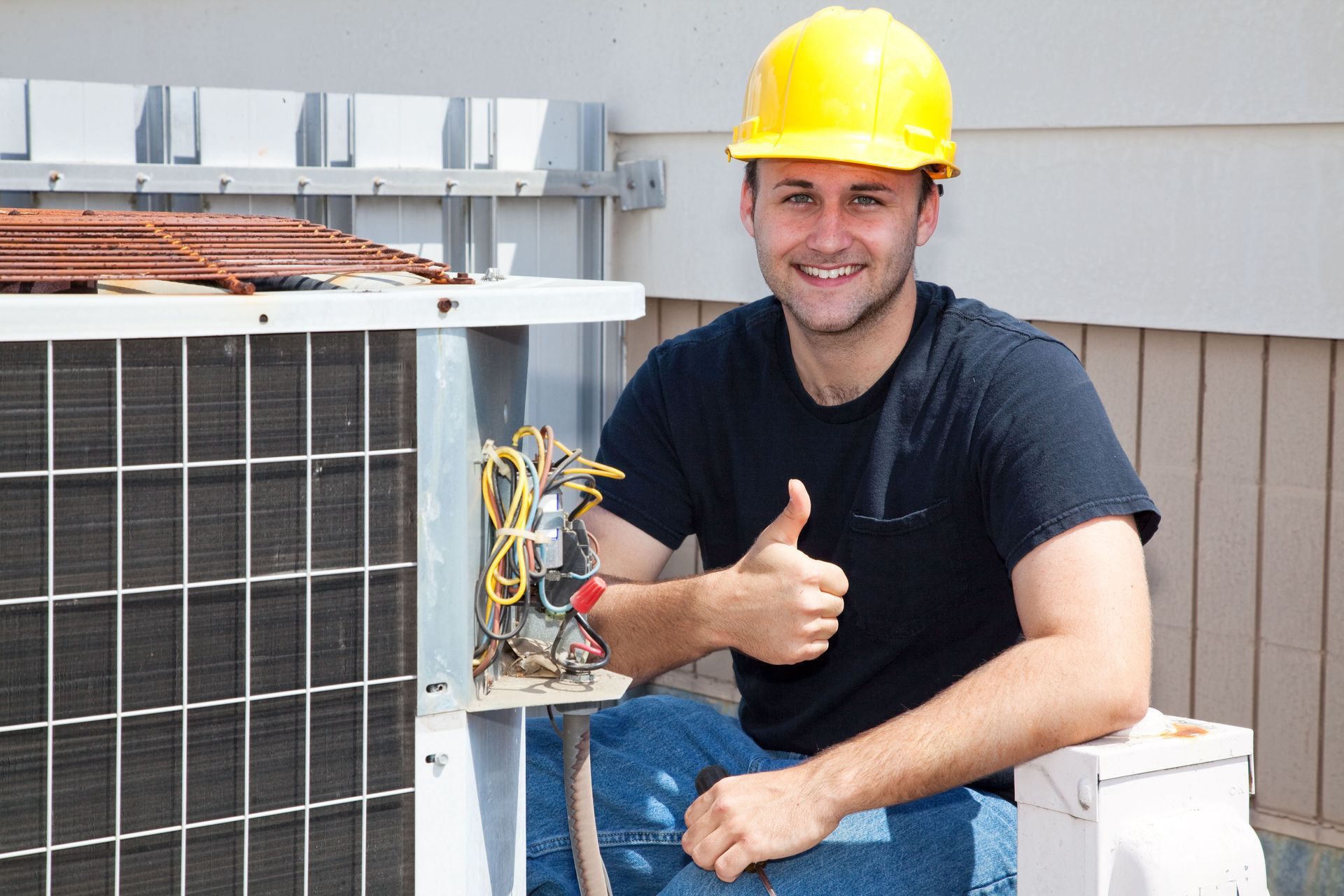
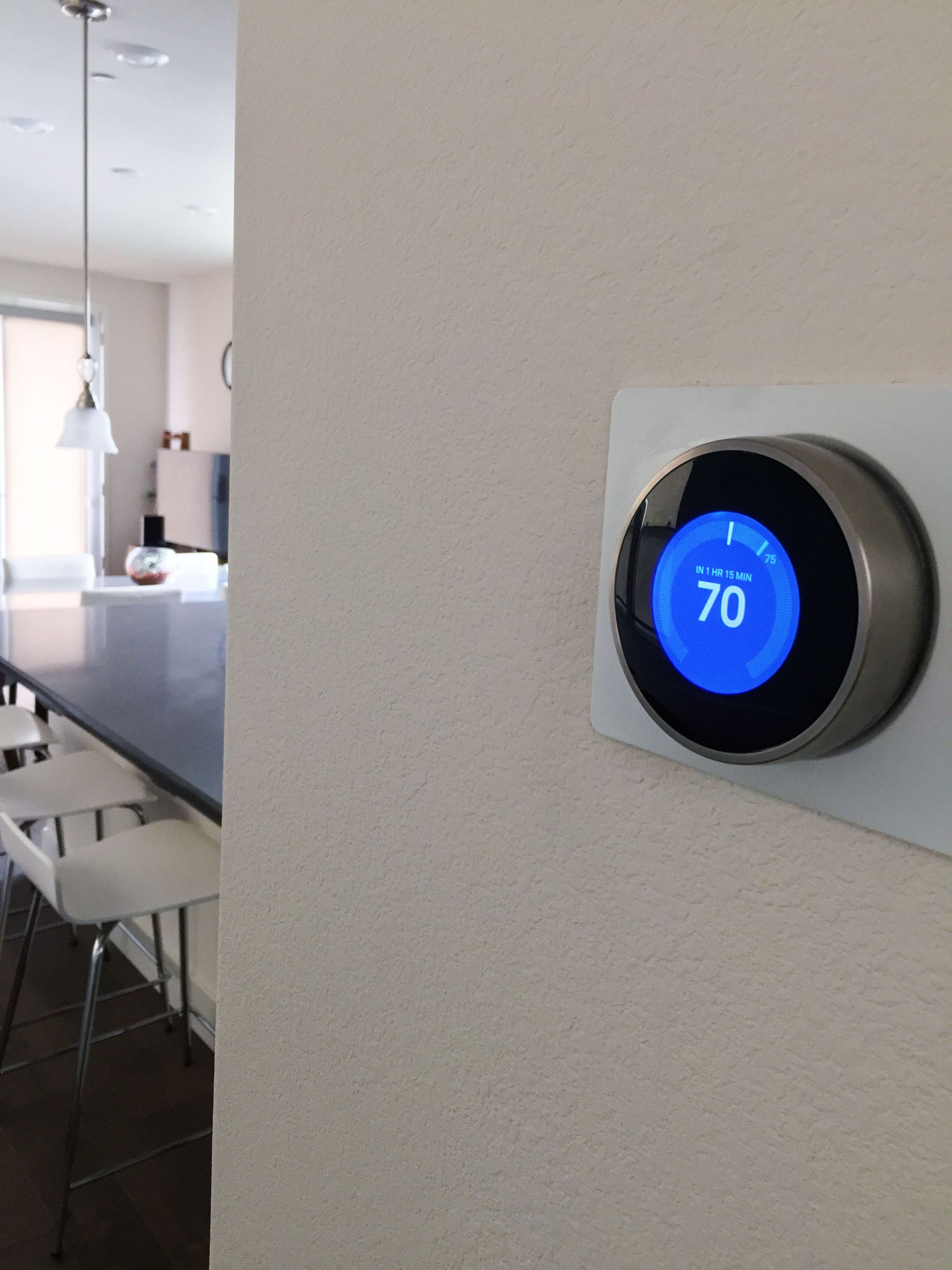
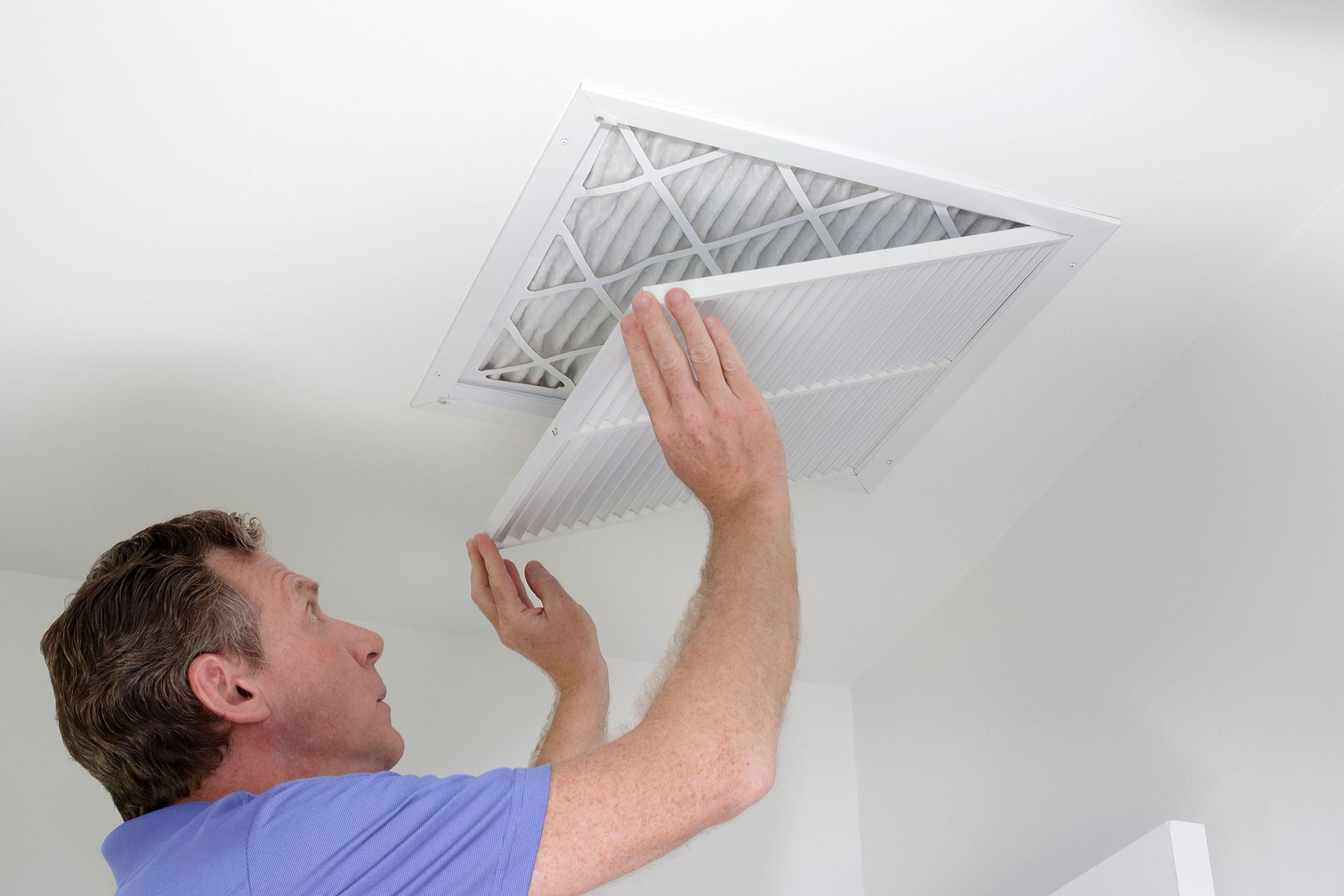
Newer air conditioning units are designed to provide better cooling while using less energy. These systems use advanced technology to regulate temperature more efficiently and maintain consistent comfort levels throughout the home. Routine maintenance is also essential. Cleaning filters, checking refrigerant levels, and inspecting system components all contribute to better performance. When air conditioning systems are properly maintained, they require less energy to operate and are less likely to break down. Smart thermostats offer another layer of efficiency. These devices learn household routines and adjust temperatures automatically, ensuring that air conditioning is not running unnecessarily when no one is home.
Lighting and Internal Heat Reduction
Lighting systems may not seem directly connected to cooling, but they still affect indoor temperature. Traditional incandescent bulbs generate heat, which can increase the workload on air conditioning systems. Switching to LED lighting reduces both energy use and heat production.
Natural lighting also plays an important role in reducing energy consumption. Strategic use of windows and skylights allows homes to stay brighter during the day without relying on artificial lighting. This helps reduce electricity use and indirectly supports air conditioning efficiency by limiting indoor heat buildup. Using motion sensors and timers ensures lights are only used when necessary. This reduces unnecessary energy consumption and helps maintain lower indoor temperatures, reducing demand on air conditioning systems.
Appliance Efficiency and Energy Control
Household appliances contribute significantly to overall energy use. Older appliances often consume more electricity and produce excess heat, which can increase indoor temperatures and force air conditioning systems to work harder.
Energy-efficient appliances reduce this burden by using less power and generating less heat. Smart plugs and power strips can also help eliminate phantom energy usage from devices that remain plugged in even when not in use. Monitoring appliance usage helps identify which devices consume the most energy. By making small adjustments, homeowners can reduce overall consumption and improve air conditioning efficiency indirectly.
Renewable Energy Integration
Renewable energy sources such as solar power can significantly reduce reliance on traditional electricity grids. When combined with efficient air conditioning systems, renewable energy can help lower utility costs and improve sustainability. Solar panels are especially effective in homes that use air conditioning frequently, as peak sunlight hours often align with peak cooling demand. This makes it possible to offset a portion of energy consumption naturally. Geothermal systems offer another highly efficient cooling and heating solution. These systems use stable underground temperatures to regulate indoor climates, reducing the need for traditional air conditioning systems.
Smart Home Technology and Automation
Smart home technology is transforming how homeowners manage energy use. Automated systems allow for precise control over lighting, appliances, and air conditioning settings. Smart thermostats are particularly effective because they adjust air conditioning settings based on occupancy and time of day. This prevents unnecessary cooling and ensures energy is used only when needed.
Connected devices also allow homeowners to monitor energy usage in real time. This visibility helps identify inefficiencies and adjust habits to improve overall performance. Automation systems can even integrate lighting, shading, and cooling to work together, reducing overall strain on air conditioning systems and improving comfort.
Long-Term Benefits of Energy Efficiency
Improving energy efficiency provides both immediate and long-term benefits. Lower utility bills are the most obvious advantage, but increased home value and improved comfort are also important outcomes. Homes with efficient air conditioning systems tend to maintain more stable indoor temperatures, reducing wear and tear on equipment. This extends the lifespan of systems and reduces maintenance costs over time. Energy-efficient homes also contribute to environmental sustainability by reducing overall energy demand. This helps lower greenhouse gas emissions and supports broader climate goals.
Energy efficiency is no longer just an optional upgrade; it has become an essential part of responsible homeownership. From insulation improvements to appliance upgrades, every step contributes to reducing energy consumption and improving comfort. A major focus for most households remains air conditioning, as it plays one of the largest roles in overall energy usage.
By upgrading systems, improving insulation, and adopting smart technologies, homeowners can significantly reduce energy waste while enhancing indoor comfort. For professional installation, maintenance, and efficiency upgrades, Metro Comfort Systems Heating and Air Conditioning provides reliable solutions designed to optimize air conditioning performance and keep your home comfortable year-round. Contact us today!